
Introduction
Customer Relationship Management CRM software is becoming an important tool for many businesses in Malaysia as companies move toward digitalisation and more structured customer management. In today business environment, customers expect faster responses, clearer communication, and a more personalised experience when dealing with businesses. Without a proper system in place, it can be difficult for organisations to manage leads, track sales activities, and maintain a complete record of every customer interaction.
In Malaysia, CRM software is used across many industries such as retail, professional services, construction, technology, education, property, healthcare, and trading businesses. Whether it is a small SME handling walk in customers or a large enterprise managing multiple branches, CRM systems help store customer information in one central platform. This reduces reliance on spreadsheets and personal records kept by individual sales staff and improves teamwork and accountability.
This article is written to help Malaysian business owners, managers, and decision makers understand the CRM options that are commonly considered in the local market. Instead of focusing only on features, the article explains what each CRM provider is known for, which types of businesses they are most suitable for, and why organisations may consider them as part of their digitalisation journey. The intention is to provide a practical and balanced overview that supports better decision making.
Disclaimer
The companies listed here are not ranked in any particular order and the selection is based on our perspective. We encourage readers to contact the companies directly to confirm suitability, pricing, and features for their business needs. All information is correct at the time of writing and you may reach out to us if you find any details that need updates or corrections.
| Table of Contents |
| Introduction |
| Disclaimer |
| Top CRM Software Companies in Malaysia |
| CRM Software Company Comparison Table |
| How CRM Systems Support Malaysian Businesses |
| When a Business Should Consider a CRM System |
| How to Choose the Right CRM Software Company |
| Common Mistakes Businesses Should Avoid |
| Conclusion |
Top CRM Software Companies in Malaysia
The company listing is placed early to improve reader engagement and browsing experience. Each company below includes location, founded year, website link, background explanation, and a Best Suited For section.
1. Microsoft Dynamics 365 CRM by ADynamics
Location
Kuala Lumpur Malaysia
Founded
2010
Website Link
www.adynamics.com.my
ADynamics is known as a specialised Microsoft Solutions Partner that focuses on Dynamics 365 CRM implementation, configuration, and business process optimisation for Malaysian organisations. The company works closely with businesses that require a CRM platform that integrates with Microsoft tools such as Outlook, Teams, and SharePoint. Their approach focuses on improving sales pipeline visibility, account tracking, and customer data centralisation for mid sized and enterprise organisations. Many Malaysian companies choose ADynamics because of its strong consulting focus and hands on implementation support.
Best Suited For
Businesses that are already using Microsoft tools and want a CRM system that integrates smoothly with their existing environment, especially professional services, corporate firms, and medium to large organisations.
2. Zoho CRM Malaysia
Location
Kuala Lumpur Malaysia
Founded
1996
Website Link
www.zoho.com
Zoho CRM is widely known for being one of the most accessible and budget friendly CRM platforms for SMEs in Malaysia. It supports contact management, deal tracking, workflow automation, and email integration in a straightforward layout that small businesses can adapt without heavy technical resources. Many Malaysian startups, agencies, and trading businesses prefer Zoho CRM because of its flexible pricing plans and cloud based setup. The platform is also suitable for teams that want to start digitalising sales operations at an affordable cost.
Best Suited For
Small and medium businesses in Malaysia that are adopting CRM software for the first time and prefer a simple, user friendly, and cost effective solution.
3. Salesforce CRM Malaysia
Location
Kuala Lumpur Malaysia
Founded
1999
Website Link
www.salesforce.com
Salesforce is one of the most recognisable CRM platforms globally and is commonly used by multinational companies and large enterprises operating in Malaysia. It is known for its scalable architecture, advanced sales automation, customer journey tracking, reporting dashboards, and ecosystem of integrations. Organisations that have complex sales structures or multiple business units often consider Salesforce because it supports deeper analytics and enterprise wide deployment. Salesforce is also popular among regional and global teams that require centralised data across multiple countries.
Best Suited For
Enterprises and large organisations in Malaysia that require a powerful and highly customisable CRM platform with regional or international operations.
4. HubSpot CRM Malaysia
Location
Petaling Jaya Selangor
Founded
2006
Website Link
www.hubspot.com
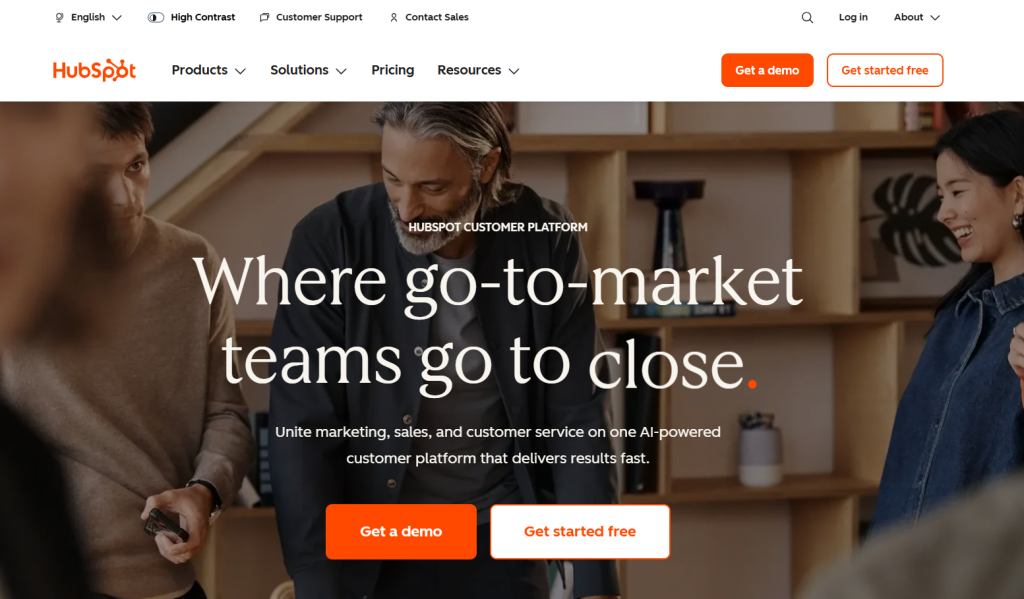
HubSpot CRM is widely used by marketing driven organisations, digital agencies, and growing SMEs in Malaysia. The platform focuses on aligning sales and marketing activities, including lead capture, email campaigns, contact tracking, and customer journey management. Many Malaysian businesses adopt HubSpot because the core CRM features are easy to start with and can later expand into marketing automation, customer support, and content tools within the same ecosystem. This makes it suitable for businesses that want both CRM and marketing functions in a single platform.
Best Suited For
SMEs, digital marketing agencies, and service based businesses that want CRM software with strong marketing and customer engagement features.
5. SAP CRM and CX by Axxis Consulting
Location
Kuala Lumpur Malaysia
Founded
2013
Website Link
www.axxis-consulting.com
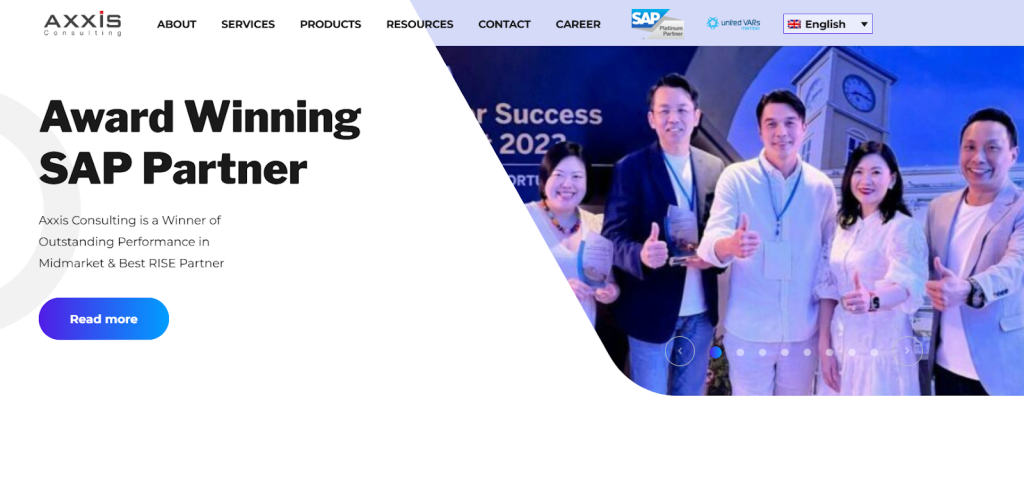
Axxis Consulting is a technology consulting firm that implements SAP CRM and SAP Customer Experience solutions for Malaysian organisations. Their projects often involve process transformation, enterprise integration, and CRM adoption for industries such as manufacturing, distribution, and corporate sectors. Businesses choose Axxis when they require a CRM system that integrates with SAP ERP or finance systems to ensure operational consistency. The company is positioned for organisations that prioritise structured implementation and enterprise governance.
Best Suited For
Large enterprises and regulated industries in Malaysia that require CRM solutions integrated with SAP environments and structured implementation frameworks.
6. Pepper Cloud CRM
Location
Singapore with market presence in Malaysia
Founded
2017
Website Link
www.peppercloud.com
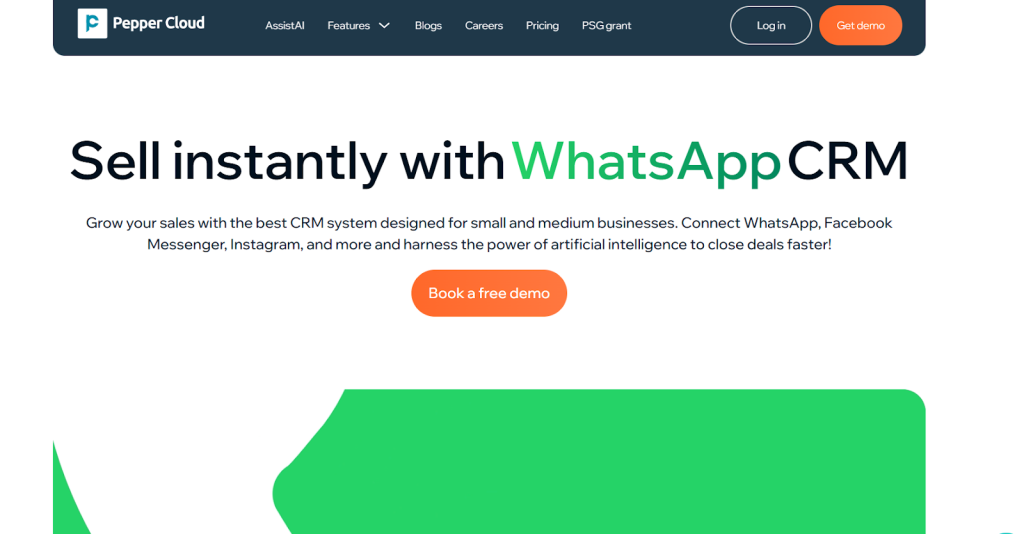
Pepper Cloud CRM focuses on SMEs and sales teams that require pipeline management, deal tracking, and WhatsApp engagement tools. It is commonly considered by trading companies, SMEs, and small distributors in Malaysia that prioritise sales follow up visibility and communication tracking. The platform is straightforward and emphasises practical CRM adoption rather than heavy customisation, making it suitable for businesses that want a simple but structured sales management tool.
Best Suited For
SMEs and growing businesses that want a lightweight CRM focused on sales pipeline management and day to day team usage.
7. Oracle NetSuite CRM
Location
Kuala Lumpur Malaysia
Founded
1998
Website Link
www.netsuite.com
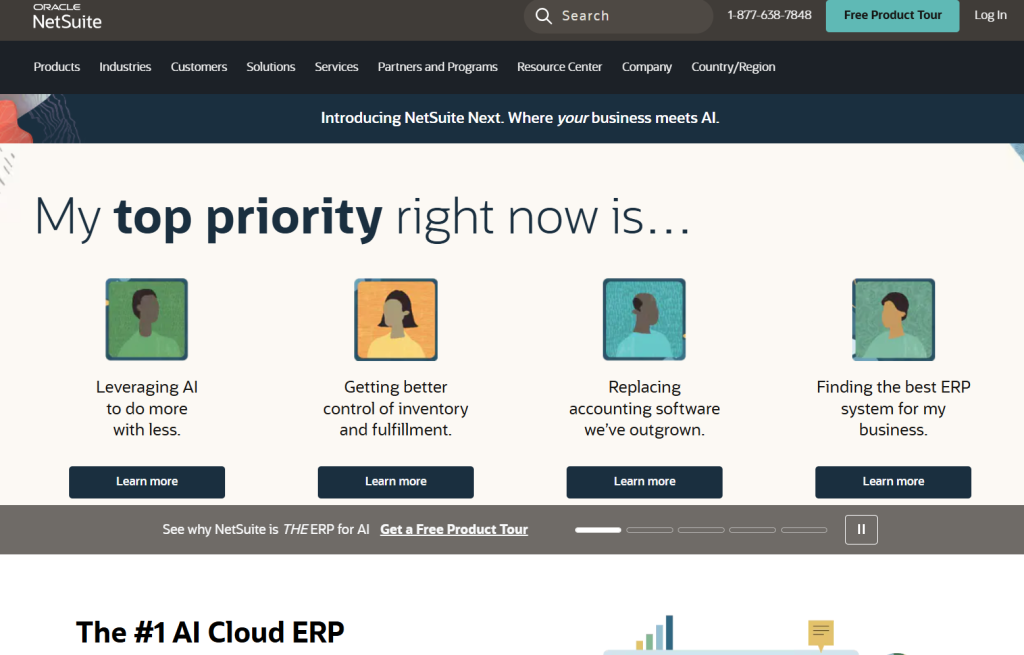
Oracle NetSuite CRM is part of the wider NetSuite ERP ecosystem and is often considered by Malaysian companies that require both CRM and business management capabilities under one platform. It supports sales automation, customer lifecycle tracking, partner management, and integration with finance and inventory modules. Many organisations choose NetSuite when they want a unified cloud platform rather than separate CRM and ERP systems.
Best Suited For
Businesses that plan to scale and prefer a CRM solution that connects directly with ERP, finance, and operational modules in a single ecosystem.
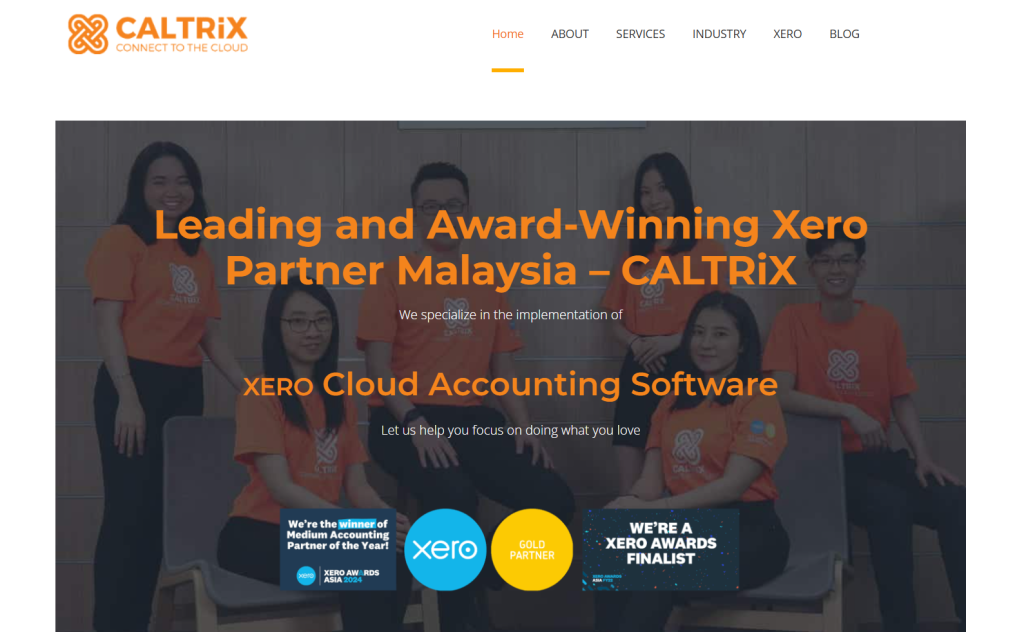
8. Caltrix CRM and Zoho Solutions Partner
Location
Kuala Lumpur Malaysia
Founded
2015
Website Link
www.caltrix.asia
Caltrix is a technology solutions company that focuses on CRM implementation, cloud business systems, and digital transformation for Malaysian SMEs. The company is known for helping businesses adopt CRM in a practical and structured manner, especially through Zoho CRM deployments and workflow automation. Many SMEs work with Caltrix because they provide consultation, onboarding training, and configuration support instead of only selling software subscriptions.
Best Suited For
SMEs and growing companies in Malaysia that want CRM implementation support, onboarding guidance, and practical digitalisation of sales processes.
CRM Software Company Comparison Table
| Company | Suitable Business Size | Notable Strength | Location |
| ADynamics Microsoft Dynamics 365 | Medium to Large | Integration with Microsoft ecosystem | Kuala Lumpur |
| Zoho CRM | Small to Medium | Affordable and beginner friendly | Kuala Lumpur |
| Salesforce CRM | Large Enterprises | High scalability and advanced analytics | Kuala Lumpur |
| HubSpot CRM | SMEs and Agencies | Strong marketing and CRM alignment | Petaling Jaya |
| Axxis Consulting SAP CRM | Enterprise and Regulated Sectors | SAP integration capability | Kuala Lumpur |
| Pepper Cloud CRM | SMEs | Simple pipeline and sales tracking | Regional presence |
| Oracle NetSuite CRM | Growing and Multi unit | CRM and ERP in one ecosystem | Kuala Lumpur |
| Caltrix CRM Solutions Partner | SMEs | Implementation and onboarding support | Kuala Lumpur |
How CRM Systems Support Malaysian Businesses
CRM systems help Malaysian businesses improve the way customer information is stored, shared, and used across teams. Instead of keeping customer details inside spreadsheets, WhatsApp messages, or handwritten notes, CRM software keeps everything in one central platform. This makes it easier for sales teams, management, and customer service staff to access the same information and avoid duplicate records.
For many Malaysian SMEs, CRM systems also support business digitalisation. They help companies move away from manual follow up and paper based records toward structured sales tracking. This improves accountability and allows business owners to see which leads are still in progress, which customers require follow up, and which deals are likely to close.
CRM systems also support better customer experience. Businesses can track past purchases, quotations, conversations, and service requests. This allows staff to respond faster and more accurately, especially when customers return after months or years. Customers feel more valued when businesses remember their history and preferences.
Another key benefit for Malaysian businesses is improved reporting and decision making. CRM software helps generate simple dashboards such as sales pipeline value, top performing sales staff, and monthly conversion trends. These insights help management plan marketing campaigns, improve sales strategies, and allocate resources more effectively.
Overall, CRM systems support Malaysian businesses by improving organisation, strengthening internal coordination, and creating clearer visibility across the entire customer journey.
When a Business Should Consider a CRM System
A business should start considering a CRM system when customer and sales information becomes difficult to manage manually. This usually happens when there are multiple salespeople handling different clients and every person keeps their own records separately. At this point, information becomes scattered and management cannot clearly see what is happening with every customer.
Another sign is when follow ups are frequently missed. For example, customers request quotations or pricing, but replies are delayed or forgotten because the requests are stored in chat messages or notebooks. CRM software helps store every lead in one place so follow ups become more structured and traceable.
Businesses should also consider CRM when leads come from many channels. These channels may include WhatsApp, Facebook messages, email inquiries, website forms, phone calls, and walk in customers. Without a CRM, it becomes difficult to track where each lead came from and whether it has been attended to.
Growing businesses and family run companies in Malaysia also benefit from CRM when the business transitions from founder driven sales to team based sales. A CRM system ensures that customer relationships do not rely on a single person. This makes business operations more stable and reduces the risk of losing information when staff members resign or change roles.
In simple terms, a business should consider a CRM system when it wants better structure, more consistent follow up, and clearer visibility across all customer interactions.
How to Choose the Right CRM Software Company
Choosing the right CRM software company is an important decision for Malaysian businesses because every organisation has different processes, team sizes, budgets, and technology needs. The best CRM is not always the most expensive one. The right choice is the one that matches how the business operates on a daily basis.
Businesses should first understand their objectives. For example, some companies want better sales pipeline tracking, while others prioritise customer service history or marketing automation. Knowing the main goal helps narrow down CRM options and prevents overpaying for features that are not required.
Ease of use is another important factor. A CRM system should be simple enough for sales staff to use consistently. If the system is too complex, team members may avoid updating records and the CRM will not deliver its intended benefits. Businesses should consider whether training and onboarding support are provided by the CRM vendor or implementation partner.
Integration is also important for Malaysian companies that already use tools such as accounting software, WhatsApp communication tools, or Microsoft applications. A CRM that integrates smoothly with existing systems can reduce manual work and improve workflow efficiency.
Local support and responsiveness should also be evaluated. Many businesses prefer working with CRM providers that understand the Malaysian business environment, local industry practices, and communication preferences. This is especially helpful during implementation and troubleshooting.
By focusing on objectives, usability, integration capability, and support availability, businesses can choose a CRM software company that truly matches their operational needs.
Common Mistakes Businesses Should Avoid
One common mistake businesses make is choosing a CRM system only because it is popular or has many features, without checking whether those features are relevant to their daily operations. This often results in a system that is powerful but underused, because staff do not need most of its functions.
Another mistake is treating CRM adoption as a software purchase instead of a business process improvement effort. Some organisations subscribe to a CRM platform but do not set clear workflows, naming formats, or data entry guidelines. This leads to inconsistent records and confusion among team members.
Businesses also sometimes underestimate the importance of user training. When staff are not trained properly, they may continue using old habits such as manual spreadsheets or personal notes. As a result, the CRM becomes incomplete and management cannot rely on the data for reporting.
Another common issue is relying on one person to manage the CRM without assigning shared responsibility across the team. When that person becomes busy or leaves the company, CRM usage may drop suddenly.
Finally, some businesses expect instant results without giving enough time for adoption and process adjustment. CRM benefits usually grow stronger over time as data becomes more complete and usage becomes more consistent.
Avoiding these mistakes helps businesses get better value from their CRM investment and ensures smoother adoption across the organisation.
Conclusion
CRM software plays a meaningful role in supporting business growth and digital transformation in Malaysia. When implemented correctly, it helps organisations build stronger customer relationships, improve sales coordination, reduce missed follow ups, and create better visibility across the entire customer journey. Instead of relying on manual records or information stored by individual team members, CRM systems centralise data and support more consistent and professional business operations.
For many Malaysian SMEs, CRM adoption is also an important step toward business maturity. It helps companies move from informal and people dependent processes toward clearer workflows and structured customer management. Over time, this leads to better decision making, stronger customer loyalty, and improved long term sustainability. Large organisations and enterprises also benefit through better integration, reporting insights, and cross department collaboration.
Choosing the right CRM system, however, depends on business size, industry needs, internal capability, and level of readiness. There is no single CRM that fits every organisation. The most suitable CRM is the one that aligns with business operations, is comfortable for the team to use, and provides the right balance between features and practicality.