
Introduction
Prototyping is one of the most exciting parts of building a product. Seeing your idea take a tangible form for the first time is both inspiring and crucial to success. Malaysia has a strong network of engineers, workshops, and manufacturing partners that can help any inventor or business owner turn a drawing into something they can hold in their hands. From startups to established businesses, the country’s prototyping ecosystem provides access to advanced 3D printing, CNC machining, and expert design services.
Disclaimer: The ranking of companies in this article is from our perspective and does not imply a definitive order. Please contact the companies directly to ensure their services align with your needs. All information is correct at the time of writing. If you notice any inaccuracies, feel free to reach out to us.
| Table of Contents |
| Introduction |
| Top 10 Prototype Companies in Malaysia |
| 1. Projet Technology Sdn Bhd |
| 2. ARRK Asia |
| 3. My3Dshoppe |
| 4. IME Technology Sdn Bhd |
| 5. Dream Technology System Sdn Bhd |
| 6. K‑One Technology Berhad |
| 7. Prynn Works Industries |
| 8. Takashima Engineering Sdn. Bhd. |
| 9. Engtek Group |
| 10. Morphlab Enterprise |
| Why Building a Prototype is Essential for Success |
| 4 Different Ways to Build a Prototype in Malaysia |
| How to Choose Your Perfect Prototyping Partner |
| Conclusion |
Top 10 Prototype Companies in Malaysia
This section highlights prototype companies in Malaysia that offer a mix of rapid fabrication, 3D printing, CNC machining, and engineering support. These companies serve startups, SMEs, and enterprises looking to turn concepts into physical prototypes for testing, validation, and presentation.
1. Projet Technology Sdn Bhd
Location: Simpang Ampat, Pulau Pinang
Founded: 2021
Website Link: https://www.projettech.com/
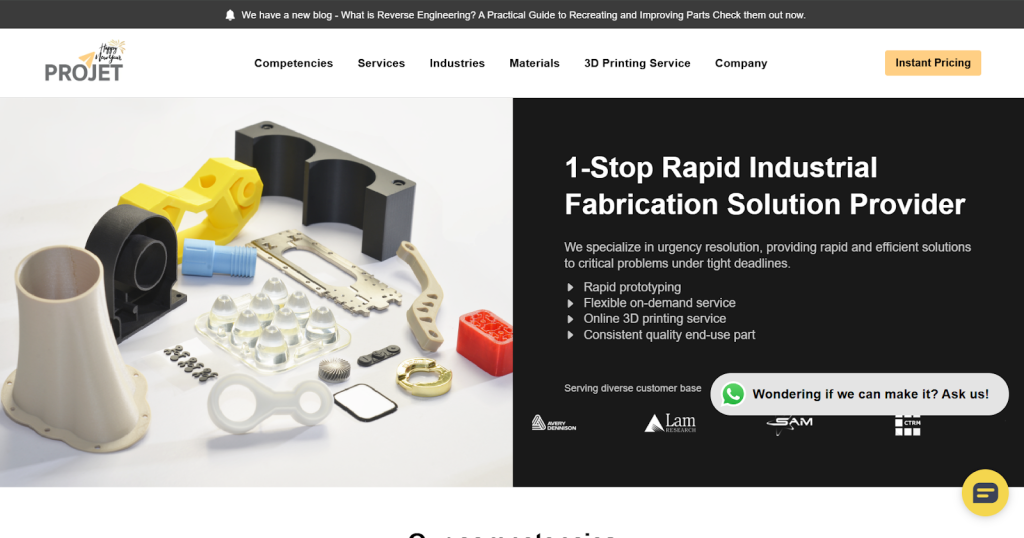
Projet Technology is known as a fast and accessible one stop shop for rapid prototyping and fabrication services in Malaysia. The company focuses on speed and practicality, offering services such as 3D printing, CNC machining, laser cutting, and sheet metal fabrication. Their ability to deliver prototypes in as fast as one working day makes them popular among startups and engineers with tight deadlines.
What sets Projet apart is its emphasis on real world usability rather than just visual models. Their team works closely with customers to ensure prototypes are functional and suitable for testing or early production trials. This makes Projet a strong choice for businesses that need quick turnaround without sacrificing build quality.
Best Suited For: Startups, engineers, and product teams that need fast turnaround functional prototypes and rapid fabrication support.
2. ARRK Asia
Location: Petaling Jaya, Selangor
Founded: 1996
Website Link: https://asia.arrk.com/
ARRK Asia is part of a global prototyping and product development group with a strong presence in Malaysia. The company is widely recognised for producing high fidelity visual and functional prototypes that closely resemble final production products. Their services include 3D printing, CNC machining, vacuum casting, and model making for various industries.
ARRK Asia is often chosen when presentation quality and detail are critical. Their prototypes are commonly used for design validation, marketing previews, and stakeholder presentations. This level of finish makes them a trusted partner for companies preparing for investor pitches or market launches.
Best Suited For: Companies that require high quality visual prototypes for product validation, presentations, and design approval.
3. My3Dshoppe
Location: Cyberjaya, Selangor
Founded: 2021
Website Link: https://my3dshoppe.com/
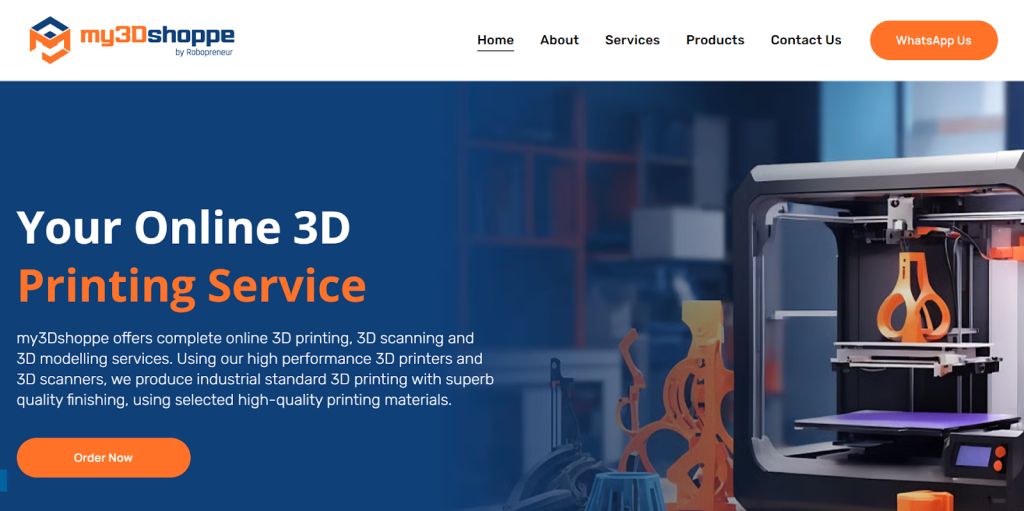
my3Dshoppe is a well known local provider of industrial 3D printing and 3D scanning services in Malaysia. The company supports a wide range of materials and printing technologies, allowing customers to create complex and detailed prototypes. Their services help bridge the gap between early design concepts and physical models.
Beyond printing, my3Dshoppe also offers consultation to help clients choose the right material and process for their application. This guidance is especially useful for first time inventors and startups. Their focus on education and accessibility makes prototyping less intimidating for newcomers.
Best Suited For: Startups, designers, and inventors who need industrial 3D printing and guidance from concept to physical prototype.
4. IME Technology Sdn Bhd
Location: Petaling Jaya, Selangor
Founded: 1980
Website Link: https://imetech.com.my/
IME Technology is a long established engineering solutions provider with strong expertise in 3D design and additive manufacturing. The company works with professional grade software and equipment to produce accurate and functional engineering prototypes. Their services are commonly used in product development and industrial design workflows.
IME Technology stands out for its technical depth and training background. Many clients work with IME not only to build prototypes but also to improve design accuracy and engineering readiness. This makes them a reliable partner for businesses that need precision and technical validation.
Best Suited For: Engineering teams and businesses that require accurate, functional prototypes backed by strong technical expertise.
5. Dream Technology System Sdn Bhd
Location: Petaling Jaya, Selangor
Founded: 2013
Website Link: https://dts-asia.com/
DTS Asia specialises in rapid prototyping, 3D printing, and CAD design services for Malaysia and Singapore markets. The company focuses on helping clients turn digital designs into physical parts quickly and efficiently. Their experience spans consumer products, industrial components, and design validation models.
In addition to printing, DTS Asia provides design support to ensure files are ready for manufacturing. This reduces errors and improves prototype success rates. Their practical approach makes them a reliable choice for businesses moving from concept to testing.
Best Suited For: Product designers and SMEs that need fast prototyping combined with CAD and design support.
6. K‑One Technology Berhad
Location: Petaling Jaya, Selangor
Founded: 2001
Website Link: https://k-one.com/
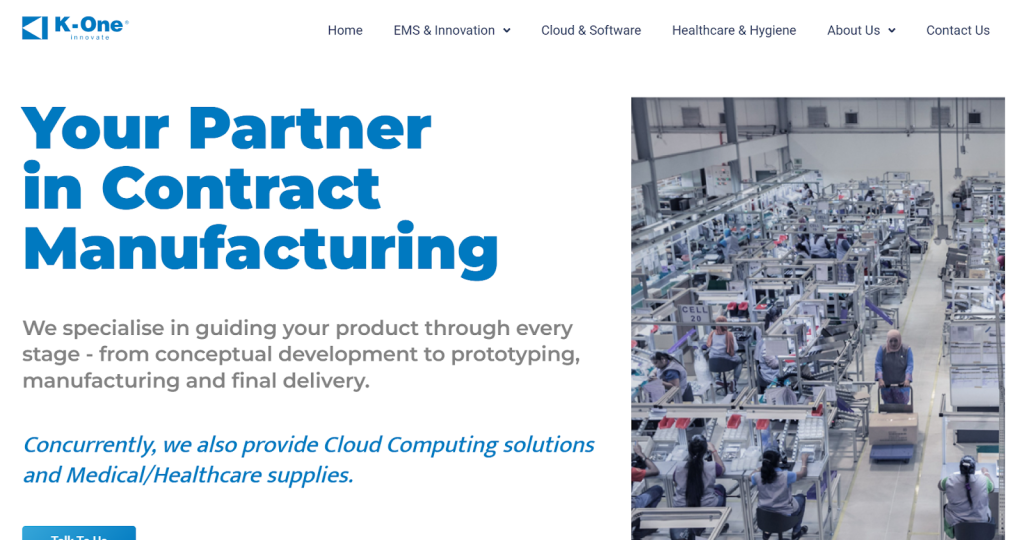
K-One Technology is a manufacturing focused company that supports both electronic and mechanical prototyping. With experience in EMS and precision manufacturing, they help clients build prototypes that are closer to production ready units. Their services support design validation and early stage production testing.
What makes K-One notable is its ability to connect prototyping with manufacturing scalability. Clients can move from a single prototype to pilot runs within the same organisation. This continuity reduces risks when transitioning to mass production.
Best Suited For: Companies developing electronic or electromechanical products that need a clear path from prototype to manufacturing.
7. Prynn Works Industries
Location: Bayan Lepas, Penang
Founded: 2020
Website Link: https://prynnworks.com/
Prynn Works Industries focuses on additive manufacturing and rapid prototyping to support local brands and product developers. The company provides 3D printing services that help shorten development cycles and reduce time to market. Their work often supports consumer products and small batch testing.
Prynn Works is known for its collaborative approach with clients. They help refine designs to improve printability and performance. This hands-on support is valuable for businesses that are new to prototyping or launching their first product.
Best Suited For: Local brands and startups looking to accelerate product development through additive manufacturing.
8. Takashima Engineering Sdn. Bhd.
Location: Kulim, Kedah
Founded: 2002
Website Link: https://www.takashimaengineering.com/
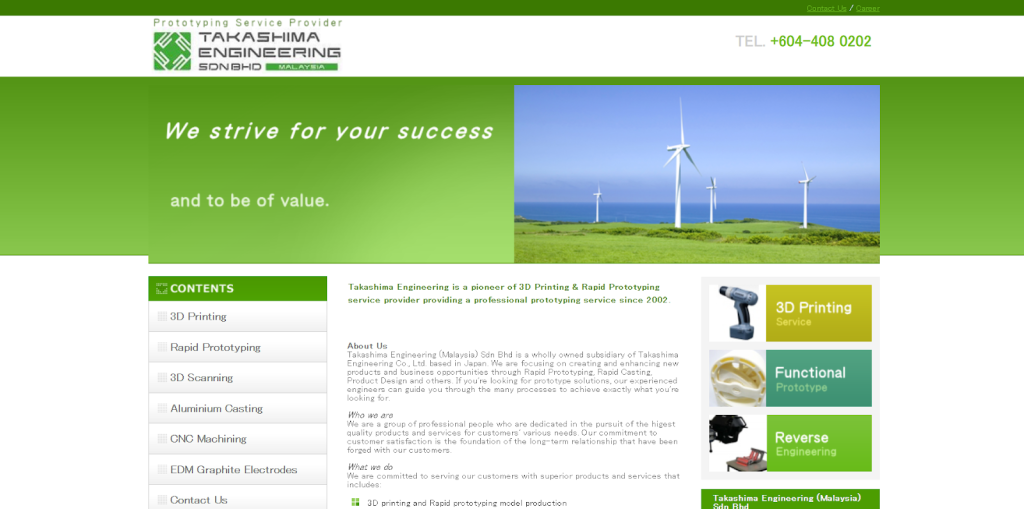
Takashima Engineering is recognised for its expertise in Selective Laser Sintering prototyping for nylon and engineering grade materials. The company supports complex geometries that require strength, durability, and precision. Their prototypes are often used for functional testing rather than just visual display.
SLS technology allows Takashima to produce parts with excellent mechanical properties. This makes them suitable for applications that demand performance under stress. Their experience appeals to industrial and technical product developers.
Best Suited For: Engineers and manufacturers that need strong and complex nylon prototypes for functional testing.
9. Engtek Group
Location: Bayan Lepas, Penang
Founded: 1974
Website Link: https://engtek.com/
Engtek is a high precision engineering company with deep experience in metal machining and industrial components. Their prototyping capabilities support complex and tight tolerance metal parts. These prototypes are commonly used in industrial, semiconductor, and manufacturing applications.
Engtek’s strength lies in precision and engineering discipline. Prototypes built here are often close to final production quality. This makes Engtek suitable for projects where accuracy and durability are critical.
Best Suited For: Industrial and manufacturing companies that require high precision metal prototypes.
10. Morphlab Enterprise
Location: Seri Kembangan, Selangor
Founded: 2017
Website Link: https://www.morphlab3d.com/
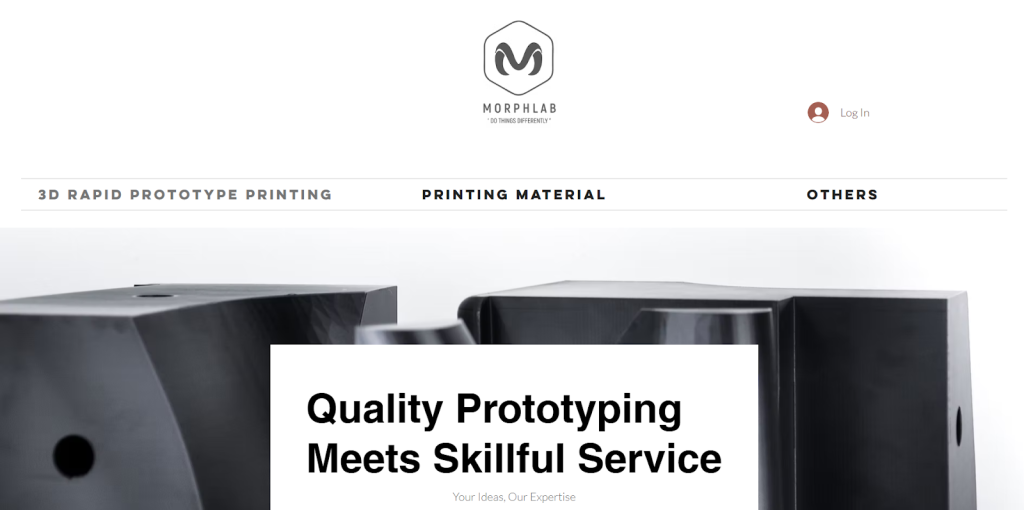
Morphlab is a design driven studio that combines creativity with 3D printing technology. The company helps startups and entrepreneurs visualise their ideas through physical prototypes. Their work often focuses on form, usability, and early concept validation.
Morphlab is particularly approachable for non technical founders. They translate ideas into tangible objects while offering design guidance along the way. This makes prototyping more accessible for first time product creators.
Best Suited For: Startups and entrepreneurs who want design focused prototypes to visualise and validate ideas.
Why Building a Prototype is Essential for Success
Building a prototype is a critical step in turning an idea into a real product. It allows inventors and businesses to move beyond assumptions and see how a product behaves in the real world. In Malaysia, access to skilled engineers and prototyping facilities makes this process more practical and affordable. Prototypes help reduce uncertainty and improve decision making before committing to mass production.
1. Testing Your Idea in the Real World
A prototype allows you to test whether your idea actually works as intended. You can check how the product feels, functions, and fits into its intended environment. This hands on testing often reveals issues that are not obvious in drawings or digital models.
Testing a physical prototype also helps you understand how users interact with your product. You may discover usability problems or missing features early. Making changes at this stage is far less costly than fixing issues after production begins.
2. Finding and Fixing Design Flaws Early
Design flaws are much easier to spot when you can physically inspect a prototype. Problems such as weak structures, poor alignment, or impractical assembly methods become clear during testing. Identifying these issues early helps avoid expensive redesigns later.
Prototyping allows multiple iterations to improve the design step by step. Engineers can refine dimensions, materials, and components with each version. This process leads to a more reliable and manufacturable final product.
3. Getting Better Feedback from Your Users
People respond more naturally to physical objects than to sketches or screen images. When users can hold and test a prototype, their feedback becomes more specific and honest. This helps product owners understand what works and what does not.
User feedback gathered at the prototype stage often leads to meaningful improvements. Changes based on real user reactions improve comfort, usability, and overall appeal. This results in a product that better meets market expectations.
4. Securing Funding and Investor Interest
A working prototype shows investors that your idea is serious and achievable. It demonstrates progress beyond concept stage and reduces perceived risk. Investors are more likely to engage when they can see and touch a real product.
Prototypes also help explain complex ideas clearly. Instead of relying on long explanations, the product itself tells the story. This makes discussions with investors and partners more effective and convincing.
4 Different Ways to Build a Prototype in Malaysia
Malaysia offers a wide range of prototyping methods to suit different products and budgets. From 3D printing to precision machining, local companies support various stages of product development. Understanding these methods helps businesses choose the right approach for their needs. Each method serves a different purpose depending on design complexity and intended use.
1. Industrial 3D Printing and Additive Manufacturing
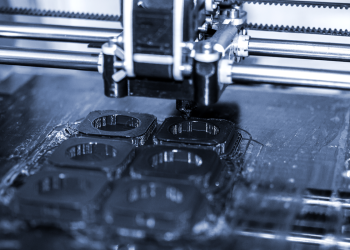
Industrial 3D printing builds parts layer by layer using plastic or other materials. Companies like my3Dshoppe and Morphlab use this method to create complex shapes quickly and affordably. It is ideal for early stage testing and visual models.
Additive manufacturing allows fast design changes without high tooling costs. Designers can update files and produce new versions within days. This makes it popular for startups and rapid product iteration.
2. High Precision CNC Machining
CNC machining creates prototypes by cutting material from a solid block. This method is used when strength, accuracy, and surface quality are important. Companies such as Engtek and Projet Technology apply CNC machining for functional testing.
CNC prototypes closely resemble final production parts. They are suitable for mechanical testing and assembly checks. This approach is often chosen for industrial or metal based products.
3. Vacuum Casting for Visual Models
Vacuum casting uses silicone molds to produce small batches of parts. Companies like ARRK Asia use this method to create prototypes that closely resemble finished products. The parts have smooth surfaces and consistent appearance.
This technique is commonly used for presentation models and market testing. It allows teams to showcase realistic versions without committing to injection molds. Vacuum casting is useful when appearance matters as much as function.
4. Design for Manufacturability Reviews
Design for Manufacturability reviews involve engineers checking whether a design can be produced efficiently. This step helps identify issues related to materials, tolerances, and assembly. Many Malaysian prototyping companies offer this as part of their service.
These reviews reduce production risks and unexpected costs. Engineers suggest changes that improve efficiency without affecting product performance. This ensures a smoother transition from prototype to mass production.
How to Choose Your Perfect Prototyping Partner
Choosing the right prototyping partner can significantly affect your product outcome. Beyond machines and tools, the right partner offers guidance and clear communication. Malaysia has many capable companies, but selecting the right fit requires careful evaluation. A good partner supports your goals from idea to production readiness.
1. Look for Specific Industry Experience
Different products require different expertise. A company experienced in consumer goods may not suit industrial or electronic products. Choosing a partner with relevant experience improves design accuracy and outcomes.
Industry experience also means familiarity with common challenges. This allows faster problem solving and better recommendations. It reduces trial and error during development.
2. Check for Technical Capabilities and Speed
Prototyping timelines can impact business plans and launches. It is important to ask about lead times and available equipment. Some companies specialise in fast turnaround while others focus on high precision work.
Understanding capabilities upfront avoids delays later. A partner that matches your speed and complexity requirements helps keep projects on track. This is especially important for startups and time sensitive launches.
3. Prioritizing Clear and Honest Communication
A prototype is not just a product and should be treated as a collaboration. Clear communication ensures your ideas are understood and executed correctly. A good partner listens and provides honest feedback on feasibility.
Open discussions help prevent misunderstandings and design issues. Regular updates and clear explanations build trust. This makes the prototyping process smoother and more productive.
4. Evaluate the Ability to Scale Up
Some prototyping companies also support small scale manufacturing. This is useful once the prototype is approved and demand increases. Choosing such a partner avoids the need to switch vendors later.
Scalability ensures consistency between prototype and production units. It also shortens the time needed to enter the market. This advantage can be critical for growing businesses.
Conclusion
Every successful product begins with a prototype. Prototyping turns ideas into tangible objects that can be tested, improved, and refined. Malaysia’s strong network of engineers and prototyping companies makes this journey more accessible for businesses of all sizes.
By choosing the right partner and method, you can reduce risks and move forward with confidence. Whether you are a startup or an established company, taking the first step toward prototyping brings your idea closer to reality. Malaysia’s experts are ready to help you build what comes next.