

Introduction
Customer Relationship Management or CRM software is becoming increasingly important for businesses in Malaysia as more companies move towards digital operations, online enquiries, and customer focused service processes. Many organisations today handle customers across different channels such as WhatsApp, email, social media, phone calls, and websites. Without a proper system, it becomes difficult for teams to track follow ups, monitor leads, and maintain customer relationships in an organised way.
This article provides a practical overview of CRM software companies that are relevant to the Malaysian market. The focus is to help business owners, decision makers, and working professionals understand what each company offers in simple wording without technical jargon. You will find company introductions, areas they are best suited for, a comparison table, and helpful guidance that supports real world decision making rather than purely promotional information.
The objective of this article is to make CRM selection easier by presenting information in a structured and reader friendly format. Whether your company is an SME, startup, corporate organisation, or growing business, this guide can help you better understand how CRM systems work, when they become necessary, and how to assess whether a provider fits your business needs.
Disclaimer
The order or listing does not represent ranking and is only based on our research perspective at the time of writing. We encourage readers to contact each company directly to confirm that their services match your business needs. Information is correct at the time this article is prepared. If you notice any inaccurate details, feel free to reach out to us so we can review and update the content.
| Table of Contents |
| Introduction |
| Disclaimer |
| Top CRM Software Companies Relevant to Malaysia |
| CRM Software Company Comparison Table |
| How CRM Systems Support Malaysian Businesses |
| When a Business Should Consider a CRM System |
| How to Choose the Right CRM Software Company |
| Common Mistakes Businesses Should Avoid |
| Conclusion |
Top CRM Software Companies Relevant to Malaysia
Below are CRM software companies and solution providers that are commonly explored by Malaysian organisations. Each listing includes location, founded year, website link, and a clear explanation of their strengths and suitability.
1. Salesforce Implementation Partners
Location
Global
Founded
1999
Website Link
https://www.salesforce.com
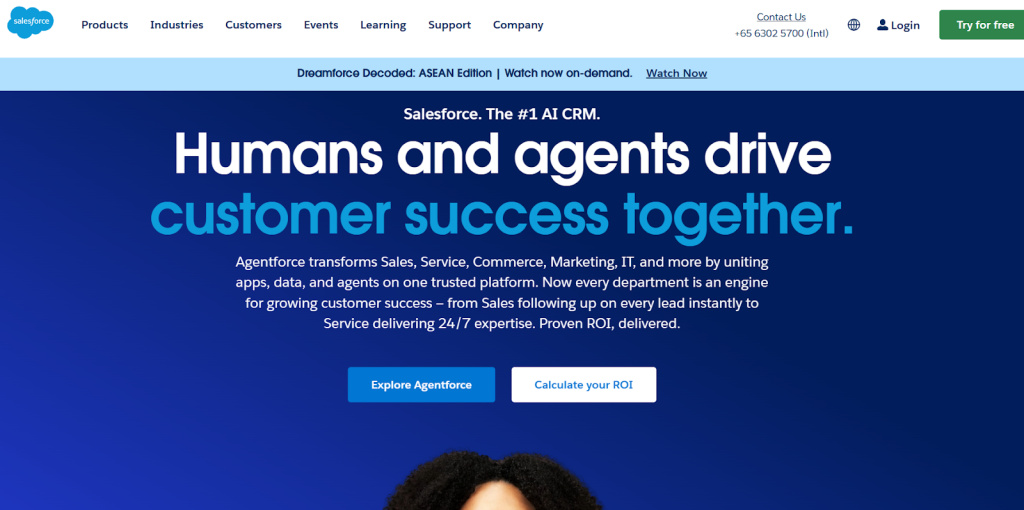
Salesforce is one of the most recognised enterprise CRM platforms globally and is also used by larger organisations in Malaysia. Local partners help companies with solution design, integration with ERP or analytics systems, and complex workflow automation. Salesforce is commonly preferred by businesses that require multi department collaboration, cross regional operations, and advanced customer engagement dashboards. The ecosystem also supports marketing automation and customer service modules.
Best Suited For
Enterprises and growing organisations that need a highly customisable CRM with strong integration capability and multi department support.
2. HubSpot CRM Malaysia Partner Agencies
Location
Global
Founded
2006
Website Link
https://www.hubspot.com
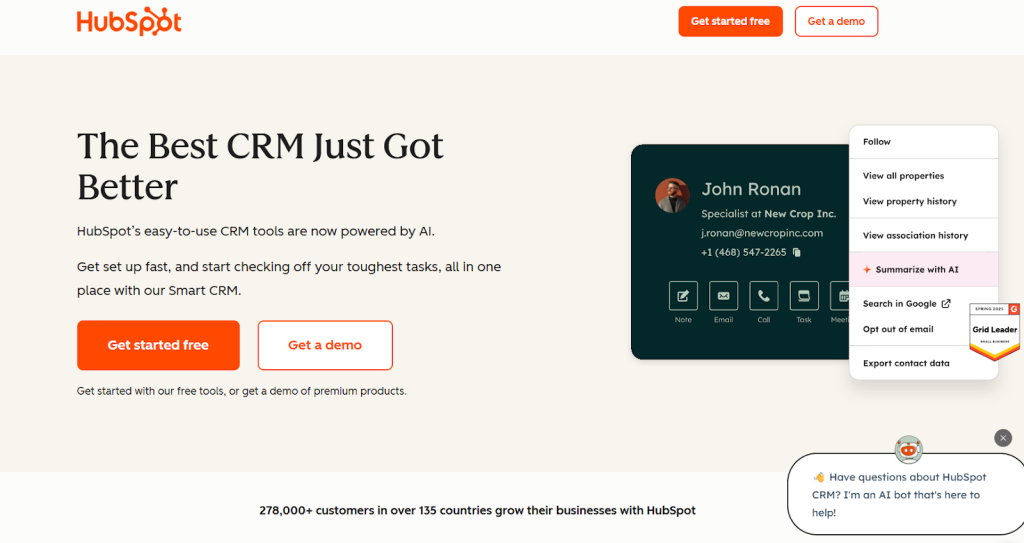
HubSpot CRM is popular among Malaysian digital marketing and technology driven businesses because it combines CRM with marketing and content tools. Local partner agencies support onboarding, data migration, campaign tracking, and sales enablement setup. The platform allows businesses to align marketing leads and sales follow ups in a single space, which helps improve response time and customer experience. Many companies also choose HubSpot for its friendly interface and structured learning resources.
Best Suited For
Businesses that rely on digital marketing, content funnels, and online lead generation, and want CRM plus marketing tools in one ecosystem.
3. Oracle NetSuite CRM
Location
Global
Founded
1998
Website Link
https://www.netsuite.com
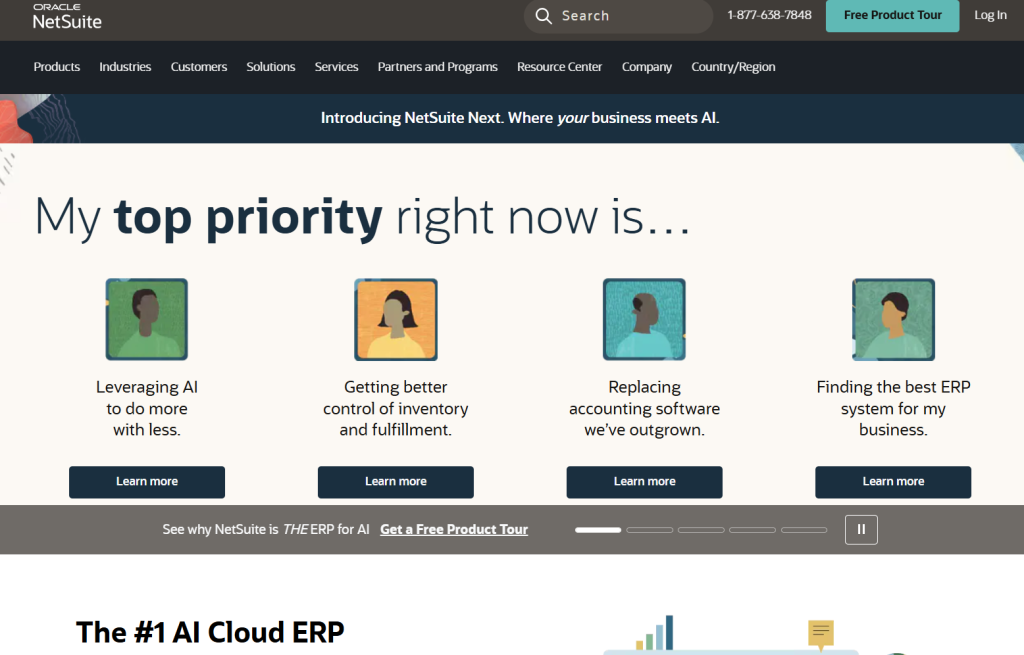
Oracle NetSuite CRM is commonly used by Malaysian companies that require CRM within a broader business management environment. The CRM module connects with finance, inventory, and ERP features, making it suitable for organisations that want a unified business platform rather than a standalone CRM. NetSuite is often selected by firms that operate across multiple departments and locations, where data consistency and reporting accuracy are important for management decisions.
Best Suited For
Mid sized and enterprise level organisations that prefer CRM integrated with ERP, accounting, and business management systems.
4. Sage CRM Solution Providers
Location
Global
Founded
1981
Website Link
https://www.sage.com
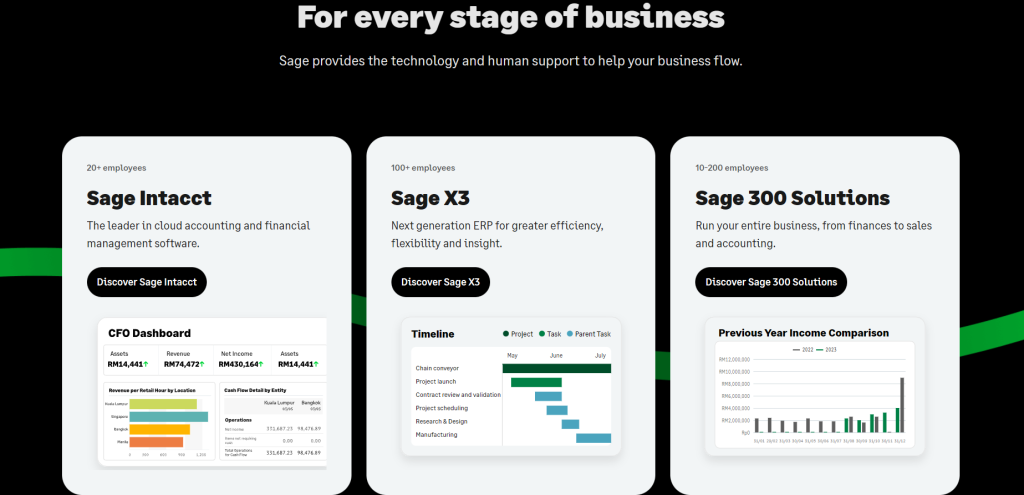
Sage CRM is commonly considered by Malaysian companies that prefer an on premise or hybrid CRM approach instead of a fully cloud only system. Local solution providers assist with implementation, customisation, and integration with accounting or inventory modules. Sage CRM is suitable for businesses that require structured approval flows, sales reporting, and service ticket tracking within a controlled IT environment.
Best Suited For
Businesses that prioritise data control and prefer CRM solutions that integrate closely with accounting and back office systems.
5. Freshworks CRM
Location
Global
Founded
2010
Website Link
https://www.freshworks.com
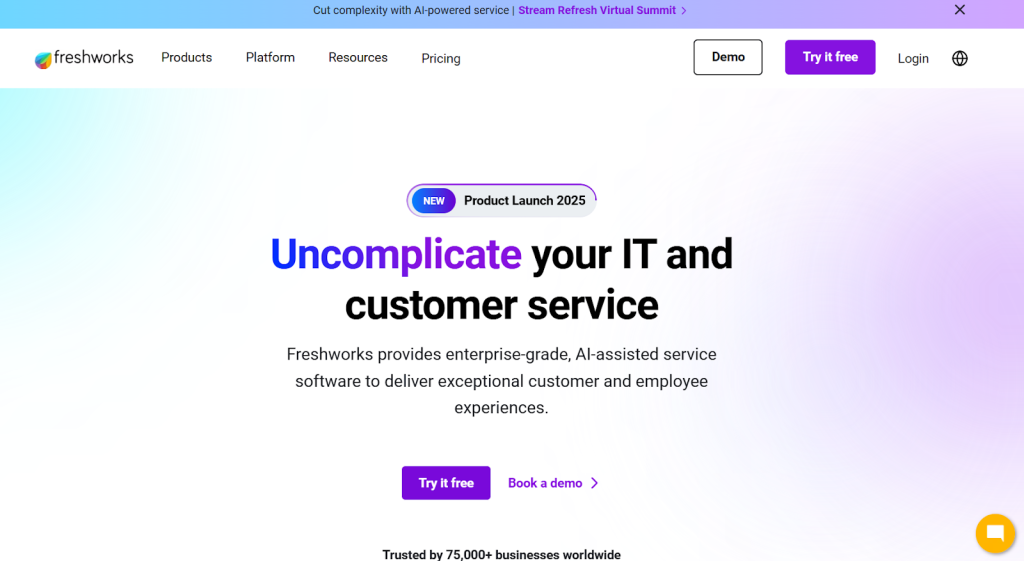
Freshsales CRM is known for its simple design and fast onboarding experience, which makes it appealing to Malaysian startups and new CRM users. The system offers contact tracking, email communication history, deal pipeline visualisation, and AI assisted lead scoring. Local partners and online support resources help teams adopt the system without heavy technical requirements. Many users appreciate its clean layout and practical feature set.
Best Suited For
Startups and small teams that want a modern and easy to use CRM to manage leads, deals, and customer conversations.
6. Microsoft Dynamics 365 CRM
Location
Global
Founded
Dynamics 365 Launched in 2016
Website Link
https://www.microsoft.com
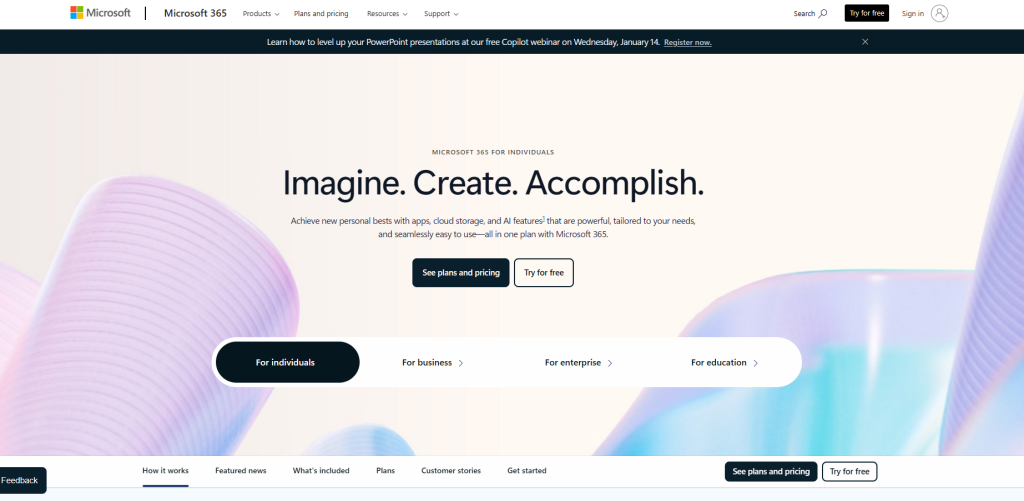
Microsoft Dynamics 365 CRM is commonly implemented by Malaysian organisations that already use Microsoft ecosystems such as Outlook, SharePoint, or Teams. The platform integrates sales, service, and analytics features while allowing custom modules to support industry specific workflows. Local consulting firms assist with deployment, data migration, and user training. Many companies choose Dynamics 365 due to its strong integration within enterprise IT environments.
Best Suited For
Enterprises and government linked organisations that require a CRM aligned with Microsoft productivity and collaboration tools.
CRM Software Company Comparison Table
| Company | Primary Market Fit | Deployment Type | Typical User Size |
| Salesforce | Enterprises and regional firms | Cloud | Mid to large |
| HubSpot CRM | Marketing driven businesses | Cloud | Small to mid size |
| Oracle NetSuite CRM | Multi department organisations | Cloud integrated ERP | Mid to large |
| Sage CRM | Businesses needing system control | On premise or hybrid | Mid size |
| Freshsales | Startups and growing teams | Cloud | Small |
| Microsoft Dynamics 365 CRM | Enterprise and corporate users | Cloud hybrid | Mid to large |
How CRM Systems Support Malaysian Businesses
CRM systems support Malaysian businesses by helping teams manage customer data, enquiries, and sales opportunities in a more structured and professional way. Instead of keeping customer details inside spreadsheets, personal devices, or informal notes, CRM software centralises information into one place that the team can access securely. This reduces misunderstandings, duplication of effort, and lost opportunities caused by scattered records.
For sales teams, CRM systems provide better visibility of the entire sales pipeline. Team members can track leads, monitor client conversations, and follow up based on real timelines instead of relying on memory. This helps reduce missed calls, forgotten leads, and slow response time, which are common reasons customers choose competitors.
For management, CRM systems provide clearer reporting that supports business decisions. Business owners can see which leads convert, which channels perform better, and whether sales activities are progressing as expected. This helps improve forecasting, resource planning, and performance tracking in a structured manner.
For customer service teams, CRM systems make it easier to record support tickets and handle after sales communication in a more consistent way. Customers receive more reliable responses and do not need to repeat the same information to multiple staff members because everything is recorded in the system.
Overall, CRM systems help Malaysian businesses build better customer relationships, improve trust, and strengthen professionalism in day to day operations.
When a Business Should Consider a CRM System
A business should consider adopting a CRM system when daily operations start to involve a higher volume of enquiries, customers, or sales activities that are difficult to manage manually. This is especially common when the team grows, when more than one person is handling customers, or when business expansion creates more touch points with clients.
Some common situations where CRM becomes necessary include
- Customer contacts are stored across multiple spreadsheets or personal devices
- Leads are received from many channels and are difficult to track
- Sales opportunities are lost due to slow or missed follow ups
- Managers cannot clearly see the progress of sales or service activities
- Customer history is not recorded and conversations are repeated
- Staff turnover causes loss of customer knowledge
When any of these signs appear, a CRM system can help standardise processes and improve coordination across the organisation.
CRM systems are also useful when businesses begin to expand into new regions, industries, or service offerings. At this stage, manual management becomes less sustainable, and structured systems are needed to support long term growth.
How to Choose the Right CRM Software Company
Choosing the right CRM software company requires understanding both your business needs and your internal capability to adopt new systems. Before making a decision, it is helpful to identify your team size, customer volume, and operational workflow. Different companies require different levels of features and complexity, so choosing based on brand alone may not be suitable.
Start by listing your key objectives. For example, whether you want to improve sales tracking, enhance customer service, strengthen reporting, or centralise communication. Next, review whether your team prefers a fully cloud system, hybrid deployment, or controlled environment setup. This will help narrow down suitable options.
It is also important to evaluate the level of support available in Malaysia. Businesses benefit more when the provider has local partners, training resources, onboarding assistance, and ongoing technical support. This ensures smoother implementation and better system adoption among staff.
Requesting a demo session, trial access, or consultation call can also be helpful. This allows you to assess how user friendly the interface is, whether the features match your workflow, and whether the solution can integrate with your current tools such as accounting systems, ERP, email platforms, or marketing systems.
Selecting a CRM provider should be based on long term suitability rather than price alone. A well matched solution usually delivers greater value over time.
Common Mistakes Businesses Should Avoid
Many businesses face implementation challenges not because of the CRM system itself, but due to decisions made during selection or adoption. Some common mistakes that Malaysian organisations should avoid include
- Choosing a CRM system based only on subscription price without considering long term fit
- Implementing CRM without proper training or onboarding for staff
- Expecting the system to replace processes instead of aligning it with real workflows
- Migrating incomplete, outdated, or duplicated customer data into the new system
- Purchasing more features than needed and underutilising the platform
- Treating CRM as a one time project instead of an ongoing improvement tool
Avoiding these mistakes helps businesses achieve smoother rollout and higher user acceptance. CRM works best when teams view it as a support tool that enhances collaboration rather than an additional task.
Conclusion
CRM software has become an important part of modern business operations in Malaysia, especially as customer expectations, digital enquiries, and service quality standards continue to rise. With a properly selected CRM system, businesses can improve visibility of customer interactions, build stronger relationships, and create a more structured and professional approach to sales and service activities.
The companies listed in this article represent CRM solutions that are commonly explored by Malaysian organisations across different industries and business sizes. Each solution has its own strengths, level of complexity, and suitability depending on your operational needs and internal capabilities.
By understanding how CRM supports your business, recognising the right time to adopt a system, and evaluating providers carefully, you can choose a CRM solution that not only fits your current operations but also supports future growth. The key is to focus on practicality, usability, and alignment with your real business processes.