

Introduction
Advertising today looks nothing like it did just 30 years ago. It has transformed from expensive guessing games shouted over network television to precise, personal messages delivered instantly to your phone. Understanding this change isn’t just helpful, it’s vital for any business that wants to survive and succeed. This article explores the dramatic shift in advertising, showing exactly how technology made it smarter, cheaper, and far more effective for everyone.
1. Why Was Traditional Advertising a Loud Monologue?
For decades, advertising was a loud, expensive effort to reach literally everyone at once. Its primary goal was to blast out brand awareness through sheer, relentless repetition.
The Problem with Mass Media
- One-Way Street: Early advertising was defined by its immense scale and lack of targeting, relying on newspapers, radio, and television. Brands just talked at the consumer through scheduled broadcasts.
- No Feedback Loop: There was no immediate way for a person to buy the product or even ask a question directly from the ad. Measuring success was difficult, relying on vague metrics like circulation or estimated viewership, with feedback taking months to trickle in through sales data.
High Barrier to Entry
Buying a 30-second spot during a popular TV show required massive, reserved budgets. This high cost effectively shut out small and medium-sized businesses. It was expensive guesswork with a high financial barrier to entry, favoring only the largest corporations.
2. The Shift to Targeted Narrowcasting
The single biggest technological change in advertising is the ability to target individuals instead of the crowd. This shift from broadcasting to narrowcasting completely redefined efficiency and democratized the market.
A Level Playing Field
Digital platforms allow a local shop to run a global campaign for just a few dollars. Small businesses can now compete directly with large corporations for audience attention. The best message often wins, not just the biggest budget.
We can now deliver a specific, tailored message only to the few people most likely to care. This precise targeting relies on deep consumer data, including interests, purchase history, and real-time location.
Instant Measurement and ROI
Digital ads are instantly measurable. Every action (clicks, views, time spent, and final purchases) is tracked.
This level of detail means businesses instantly know the Return on Investment (ROI) for every dollar spent. If an ad isn’t working, it can be adjusted or stopped in minutes instead of weeks, eliminating financial waste. Furthermore, a business is no longer limited by geographic location. Any product that can be shipped can be advertised and sold globally.
3. How Search Engines Became the New Phonebook?
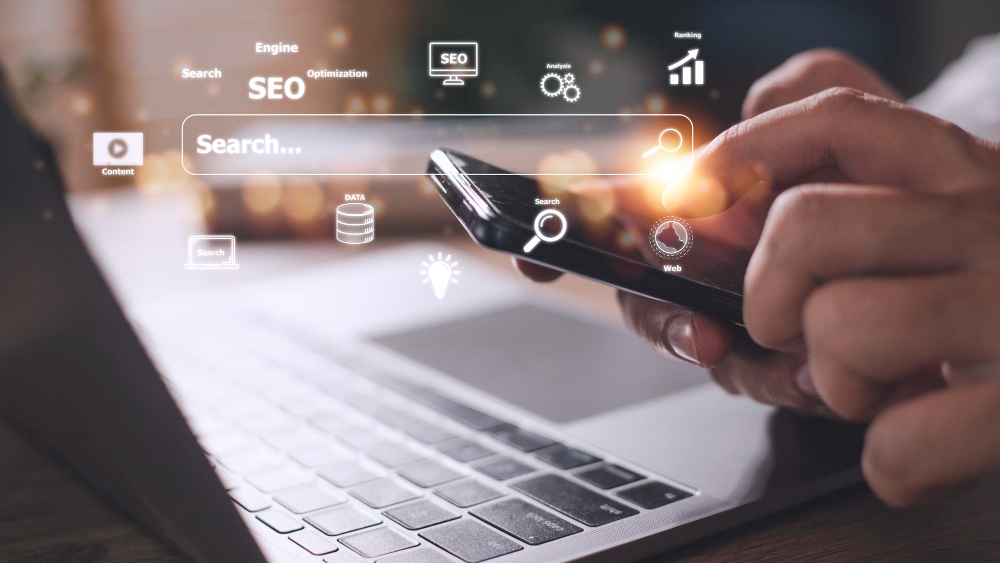
The modern consumer relies on search engines to find solutions, making platforms like Google the most powerful, intent-based advertising spaces in the world.
Search: The New Yellow Pages
Instead of flipping through a directory, people type their specific needs into a search bar. The Search Engine Results Page (SERP) instantly connects a person with a problem to a business with a solution.
Search ads target immediate intent. When someone searches for “best home loan rates,” they aren’t just browsing, they are ready to act. Ads appear at the precise moment of maximum consumer interest, leading to very high conversion rates.
The Key Difference: Paid vs. Free Traffic
Businesses use two main strategies to appear on search results:
- Paid Search (PPC): This means buying ad space at the very top for instant visibility. It’s fast but requires constant spending.
- SEO (Search Engine Optimization): This is the long-term process of improving your content and structure to appear naturally (organically) high in the search results. It’s slow but offers free, trusted traffic.
Content that appears high due to strong SEO is often perceived as more credible and authoritative by the consumer. While paid ads are important for immediate presence, the trust generated by organic ranking builds lasting brand loyalty.
4. Why is Personalization Important for Marketing Now
The consumer doesn’t just want ads, they expect brands to know them. Personalized advertising is about delivering relevance, not just reach.
Showing a running shoe ad to a consumer who only buys books is an incredibly inefficient use of resources. Irrelevant ads create negative feelings toward the brand, a condition known as “ad fatigue.”
Programmatic Advertising and Customer Experience
Sophisticated data analysis identifies consumer patterns, predicts needs, and determines the perfect time and place to show an ad. This allows businesses to target a narrow audience of highly qualified potential customers.
A key enabler is Programmatic Advertising, which uses AI to automatically buy and sell ad space across websites and apps in milliseconds. It ensures that when an ad is relevant, it feels less like an intrusion and more like a helpful suggestion. This shift toward relevance improves the customer experience and leads to faster purchase decisions.
5. What Advertising Tools are Businesses Using Today?

Modern marketers have a wide array of digital tools to manage relationships and target audiences far beyond just search engines.
- Social Media Platforms: Platforms like Instagram, Facebook, and TikTok allow for highly visual, hyper-targeted campaigns. They capture consumer attention when people are in a relaxed, browsing, or discovery mindset.
- Direct Outreach: Email and SMS provide a private line to the consumer, offering high conversion rates for promotions and loyalty programs. Email marketing is highly segmented, ensuring each subscriber receives only relevant updates.
Focusing on Content, Influence, and Efficiency
Instead of direct selling, successful brands now invest heavily in valuable content (blogs, videos, guides) that genuinely solves customer problems. They also leverage trusted voices on social media (influencers) to promote products authentically.
Furthermore, Marketing Automation tools handle repetitive tasks like scheduling social posts and sending follow-up emails. This crucial step frees up marketing staff to focus their intelligence on strategy and creativity, not manual labor.
6. How has the Customer Relationship Changed?
The Internet transformed the consumer from a passive recipient of messages into an active participant who expects dialogue and transparency.
Consumers now research products extensively and actively look for two-way communication before buying. Successful brands recognize this and engage in conversations rather than simply delivering a one-sided sales pitch.
Managing Real-Time Reputation
Social media means customer praise or complaints are public and immediate. Quick, effective, and empathetic responses are essential to managing brand reputation in real time. Silence is no longer an option.
Creating online spaces where customers can connect with each other and the brand fosters a powerful sense of belonging and loyalty. This online brand community, in turn, generates invaluable free word-of-mouth marketing and increases long-term loyalty.
7. What does the Future of Advertising Look Like?
The next wave of advertising will be faster, more integrated, and even more immersive, aggressively blurring the lines between the ad and the product experience itself.
AI and Immersive Tech
- Artificial Intelligence (AI): AI is rapidly automating the creation of ad copy, images, and video, tailoring content to specific audiences at scale. It uses data to predict which creative combinations will perform best, optimizing campaigns automatically and instantly.
- Immersive Advertising (AR/VR): Augmented Reality (AR) allows consumers to digitally “try on” clothes or place furniture in their homes using their phone camera. Virtual Reality (VR) creates fully immersive, interactive brand experiences that go far beyond a simple video ad.
Conclusion
Advertising’s evolution is fundamentally a story of continuous progress toward efficiency and relevance. It moved from the loud, expensive world of print and TV to the precise, data-driven world of personalized digital ads.
Today, success depends on using data to target the right person at the right time, fostering genuine conversation, and embracing the speed and precision of digital tools. The modern consumer is empowered by search engines, which act as the ultimate guide, ensuring they find the exact product they need.


